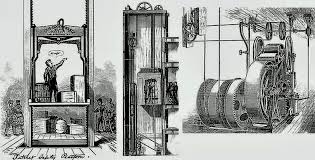
The first passenger elevator got off to a slow start. Installed in 1857 at the Haughwout Department Store in New York, it was shut down after just three years because customers refused to accept it. Powered by a steam engine in the basement of the five-story building, it traveled at a mere 40 feet per minute. (Today’s fastest elevators can travel upwards of 40 feet per second.)
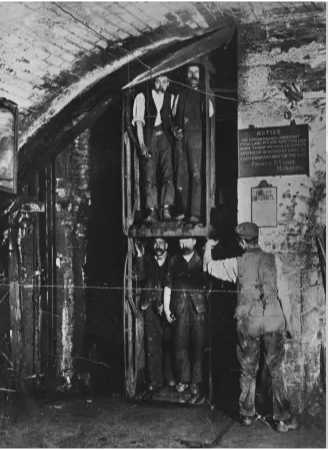
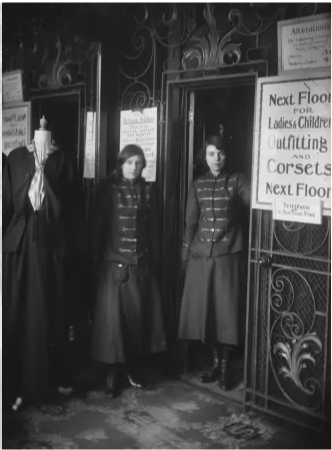
At the time, elevators were more of a tourist attraction than a means of transportation. The world had no tall buildings yet, and lower floors were the most desirable because they didn’t require you to climb many stairs. The higher the floor, the lower the rent.
By leveraging STACK’s open API, PCL is able to seamlessly integrate their existing workflow to produce better estimating data. Through the cloud-based platform, PCL will have unparalleled flexibility and accessible data, increasing the precision of estimates, minimizing manual processes.
This is a passenger elevator from the 1860s, a revolutionary invention following Elisha Otis’s safety brake. Its ornate wooden cage and pulley system made skyscrapers possible, forever changing city skylines.
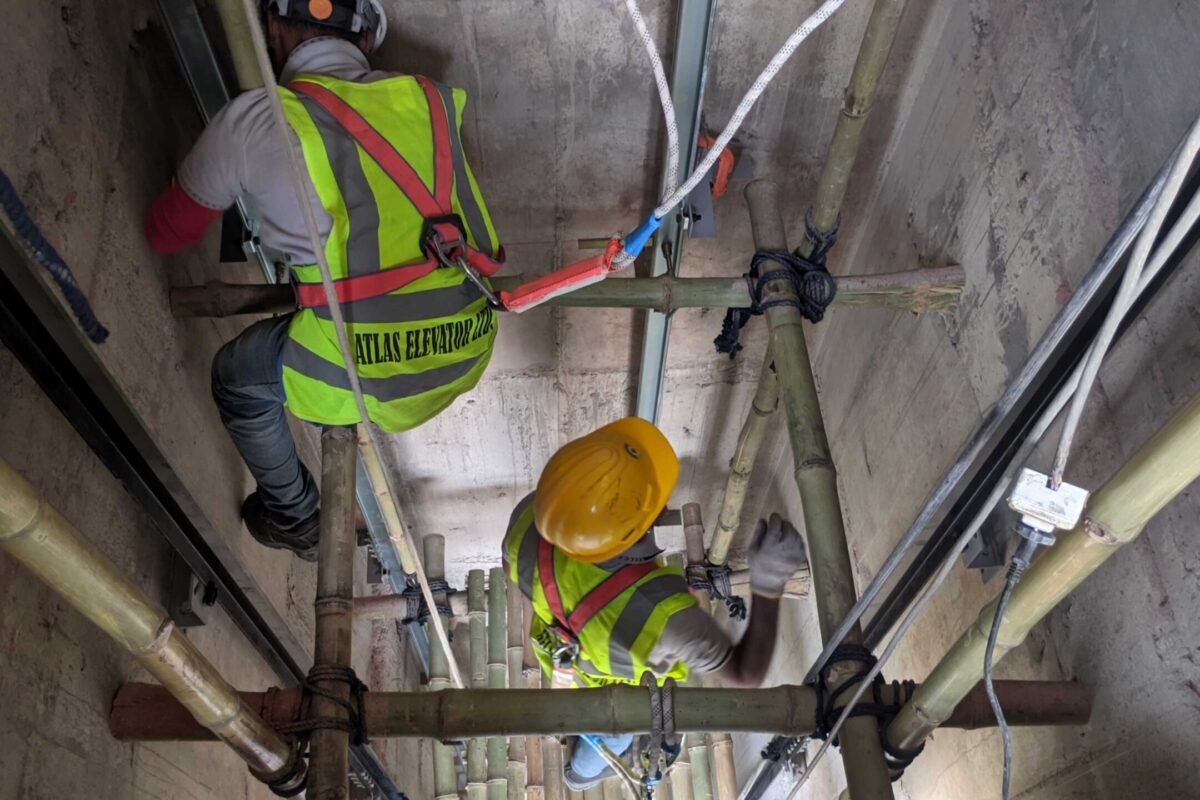
At Atlas Elevator Ltd., we are dedicated to delivering safe, reliable, and innovative elevator solutions. With a focus on quality and efficiency, we help make buildings more accessible and future-ready